Empowering refugee women: launch of a micro-skills program in hairdressing

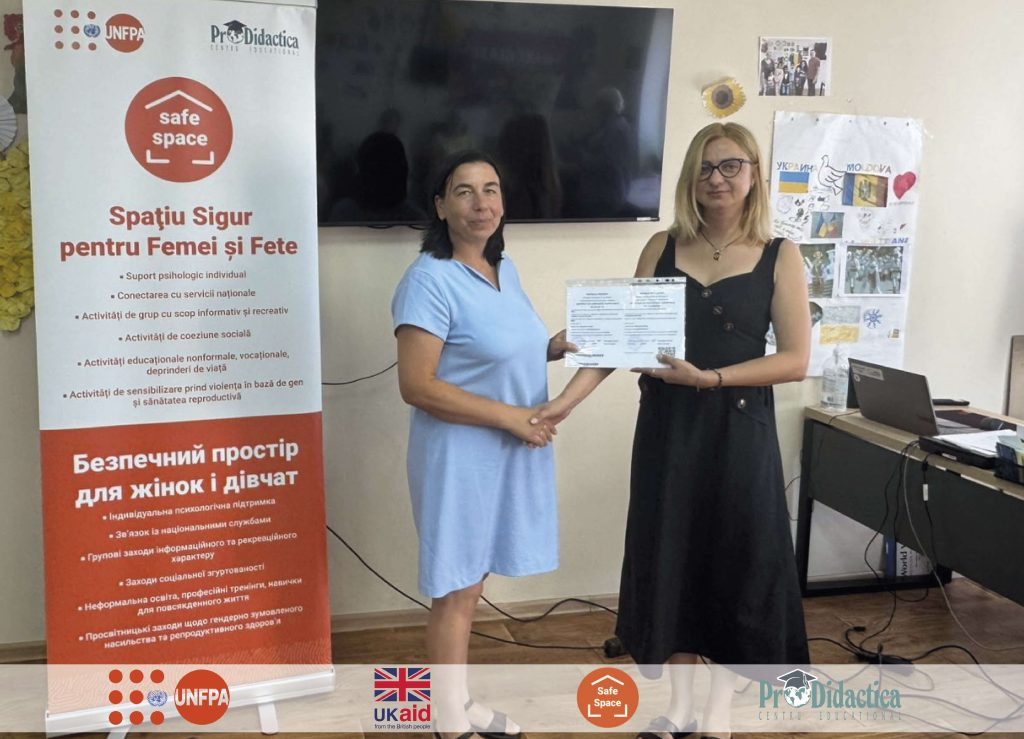
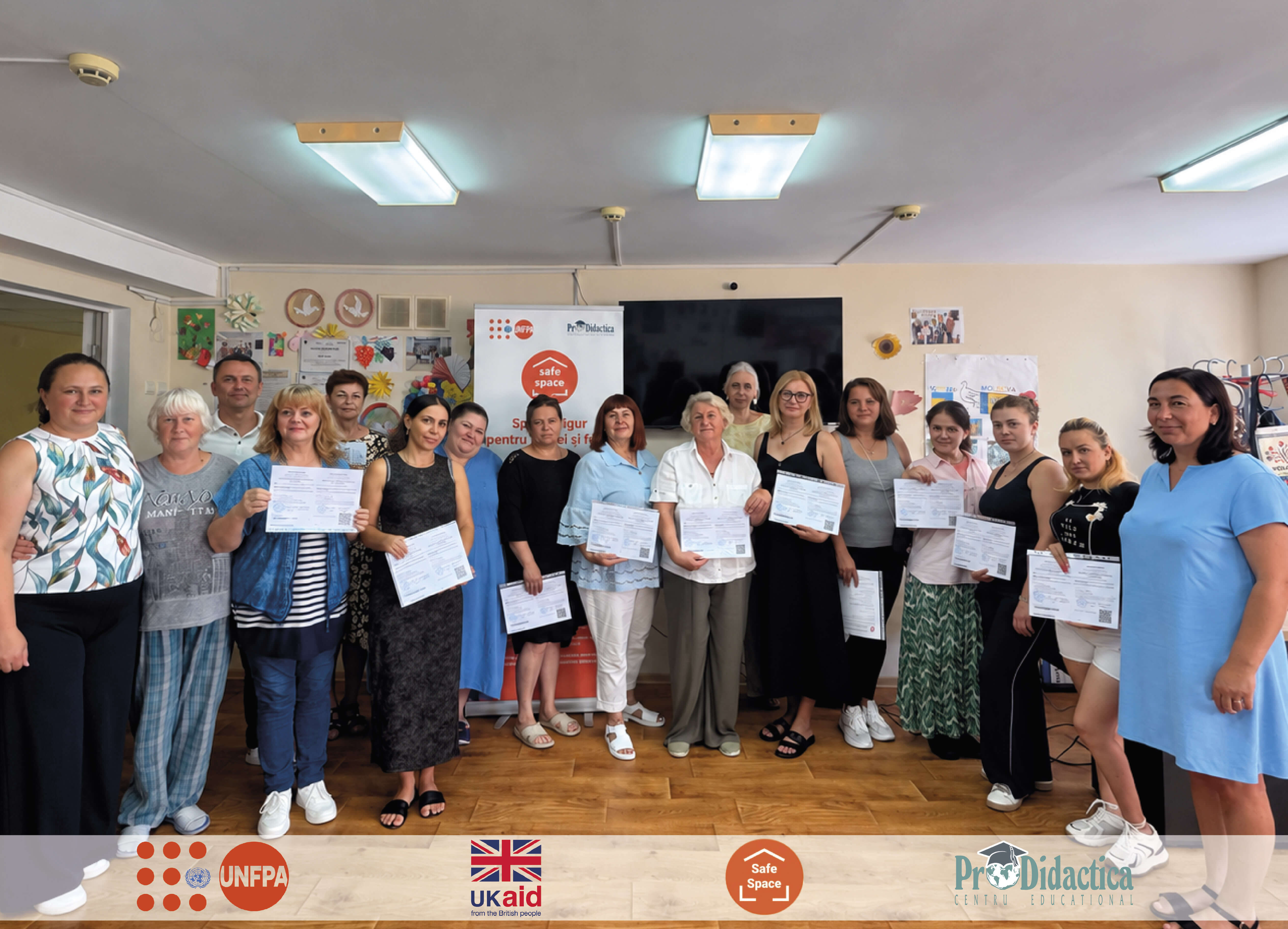
On September 24, as part of the “Refugee Support Initiative” project, “Women’s Empowerment” component, the partial qualification (micro-qualification) program “Modeling and styling women’s haircuts – professional techniques,” hairdressing profession, was launched. The event took place at the Center for Excellence in Light Industry in Chisinau, the institution that will carry out the training, with the first group of beneficiaries consisting of 15 refugees from Ukraine.

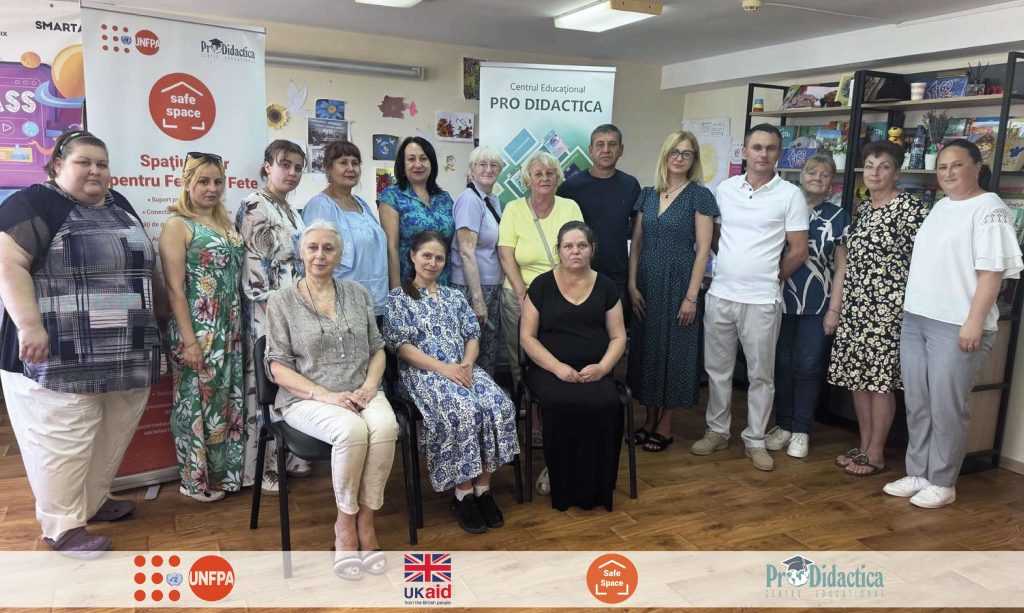
The event was attended by representatives of the funding organization and the project implementation team, teachers, and students. In her opening remarks, Violeta Terguță, gender-based violence program analyst (UNFPA), emphasized the importance of such training programs for the faster professional and social integration of young women and women refugees. Lilia Nahaba, project coordinator (PRO DIDACTICA Educational Center), highlighted the importance of institutional collaboration in the development and implementation of this short-term learning program—one of the first micro-qualification programs in the Republic of Moldova, which will enable trainees to obtain a profession or complete their studies, thus facilitating their access to the labor market. Tamara Crețu, deputy director of the Centre of Excellence in Light Industry, emphasised that the institution she represents is honoured to be part of this partnership, as the host of a pioneering programme for the country.

The partial qualification (micro-qualification) program “Modeling and styling women’s haircuts – professional techniques,” the hairdressing profession, will be conducted offline and online from September to December 2025. It includes three modules (“Preparing the hairdresser for professional activity,” “Modeling women’s haircuts,” “Practice in production”), which will contribute to the development of specific skills for employment in the labor market or starting one’s own business. At the end of the course, graduates will receive a vocational training certificate issued by the Center for Information and Communication Technologies in Education, approved by the Ministry of Education and Research of the Republic of Moldova. They will also be given a set of basic professional tools. The qualification obtained will enable the 15 graduates to find employment in hairdressing and beauty salons, as well as to provide services for special events (fashion shows, weddings, etc.).

Micro-qualifications are certifications that attest to the acquisition of a set of specific skills through short, stand-alone, concentrated training programs, in accordance with uniform qualification and quality assurance standards, for a certain level of the National Qualifications Framework, with the issuance of a certificate of professional competence (micro-certificate). Micro-qualifications play an important role in upskilling and reskilling in response to changes in the labor market. They create conditions and opportunities to make lifelong learning more accessible and flexible, to help people respond promptly and adapt quickly to social, economic, and technological changes. Possessing recognized micro-qualifications increases the chances of employment or career advancement by demonstrating up-to-date skills and interest in professional development.

The “Refugee Support Initiative” project is implemented by the PRO DIDACTICA Educational Center, in partnership with the United Nations Population Fund (UNFPA), as part of the Humanitarian Response in the Republic of Moldova.
T4Green: Coordination meeting

We kicked off the new academic year with our Coordination Meeting on 12 September 2025 – setting the stage for exciting developments ahead! 🚀

Here’s what’s coming up:

✨ In-house trainings at Armenian and Moldovan Universities for introducing the revised programs and collecting feedback

✨ Final touches and the big launch of our revised study programs

✨ Welcoming our EU partners to Armenia & Moldova for assisting in the smooth piloting of the revised programs

✨ Open discussions with teachers in Armenia and Moldova for finalizing the National Concept for Teacher Education.

Accurate and up-to-date information: a prerequisite for better integration

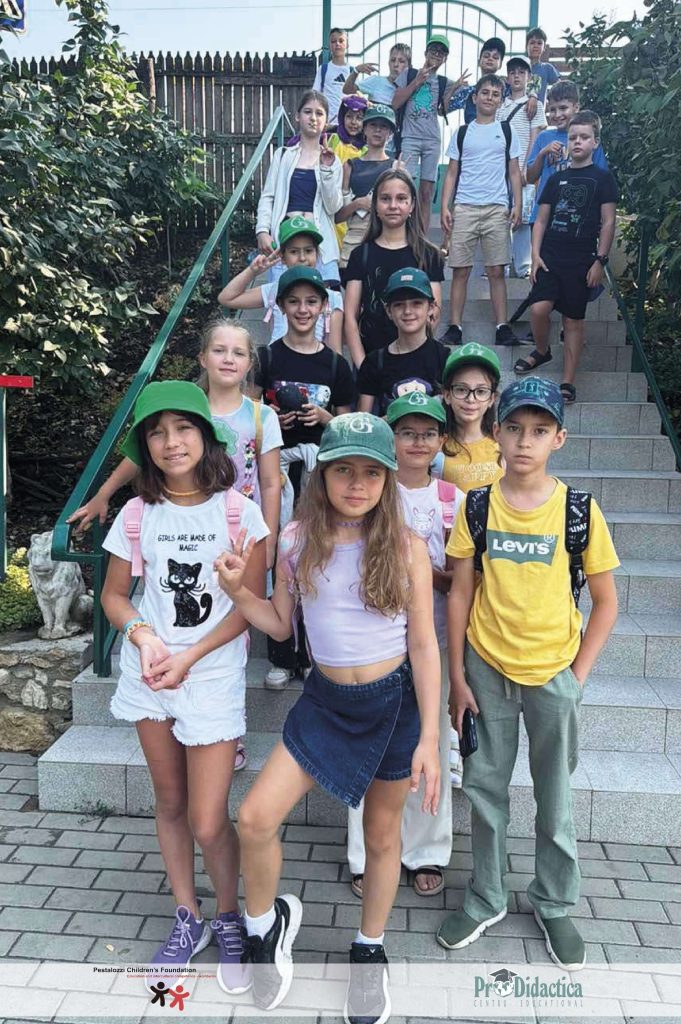
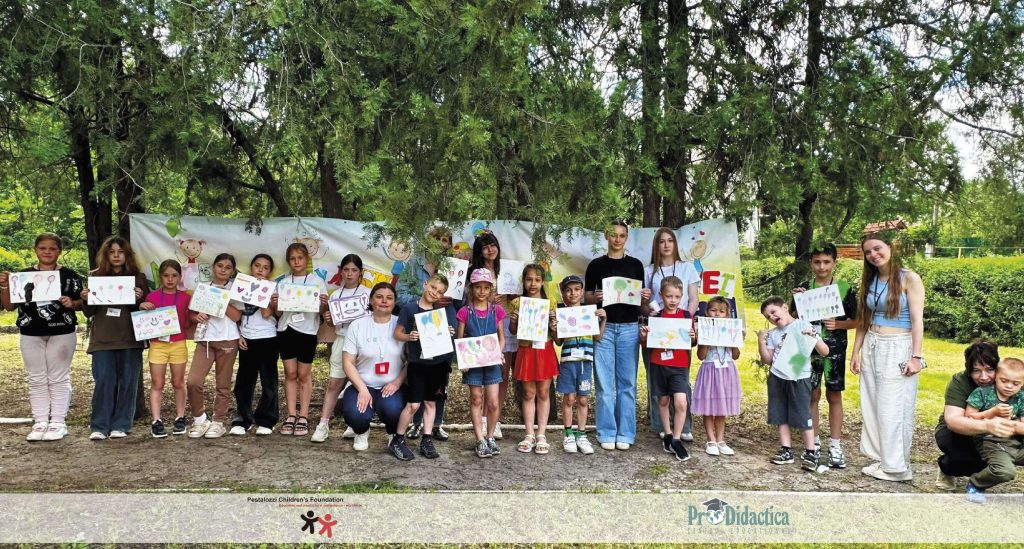
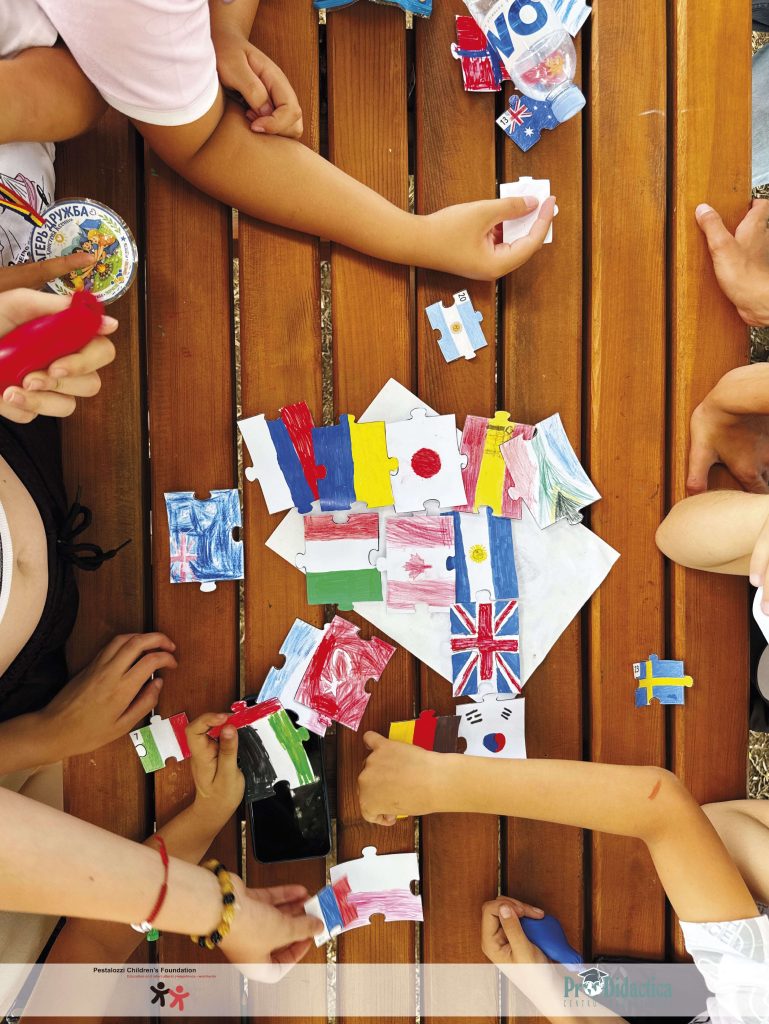
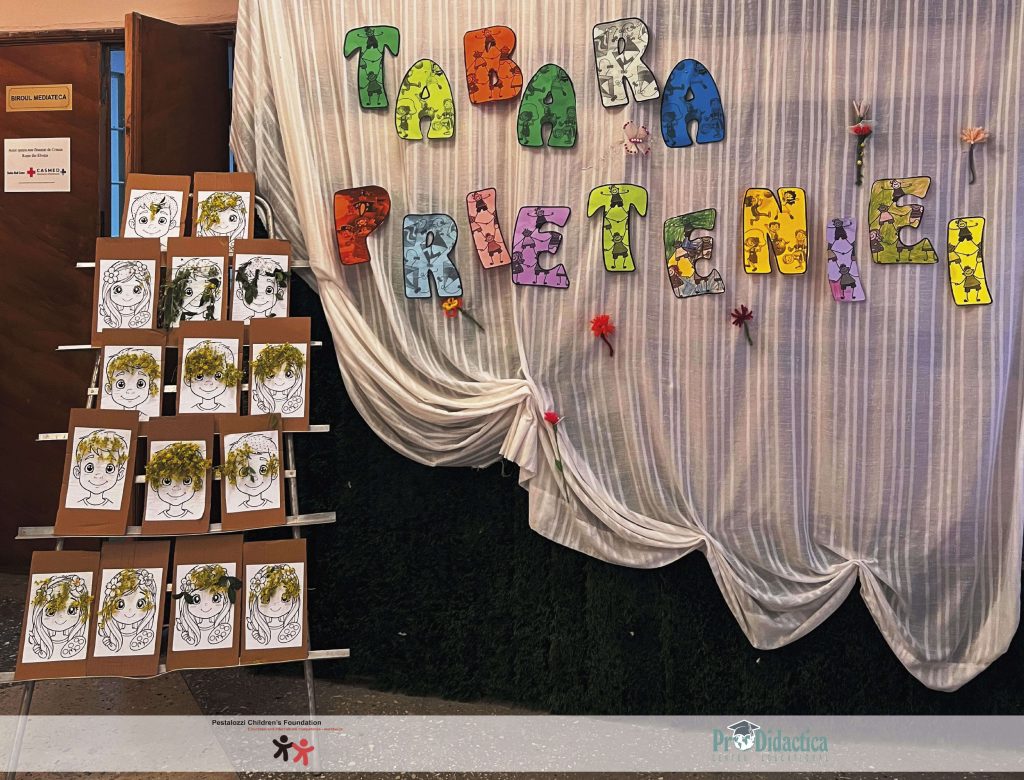
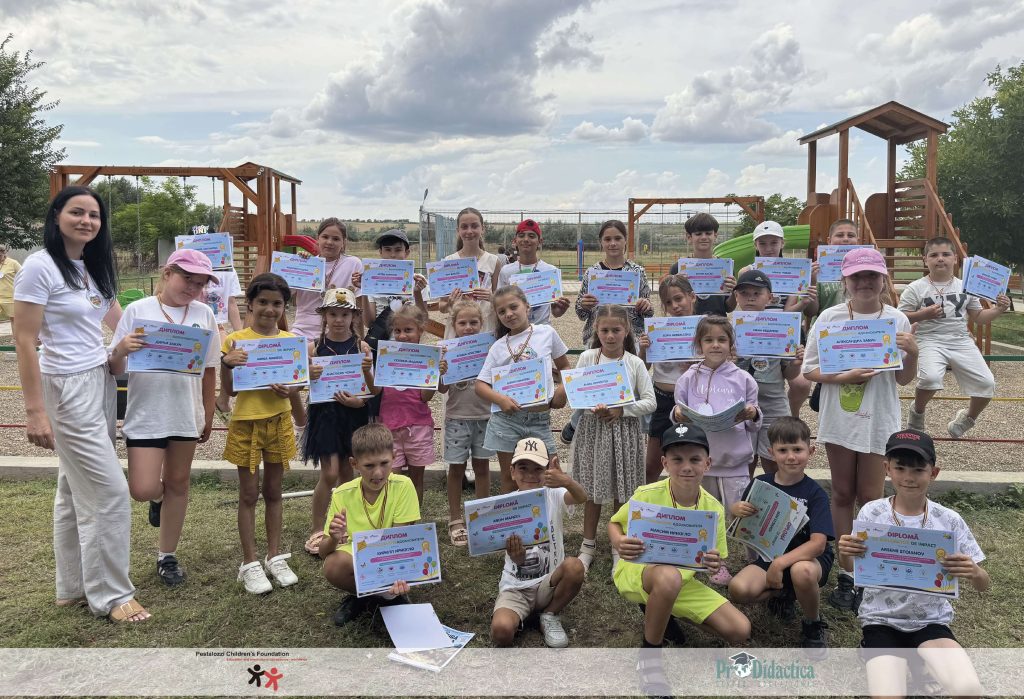
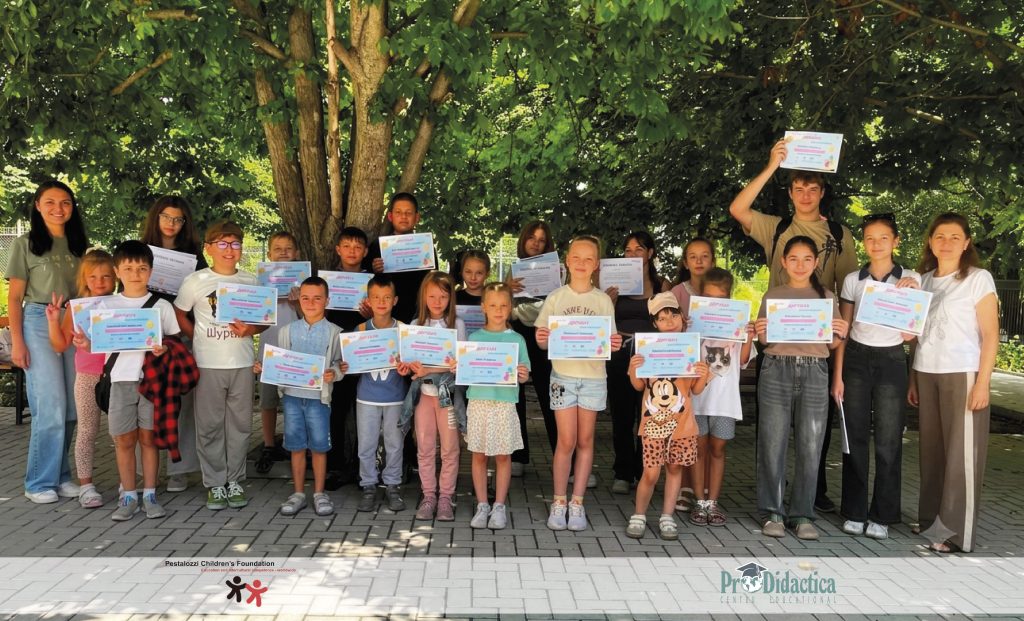
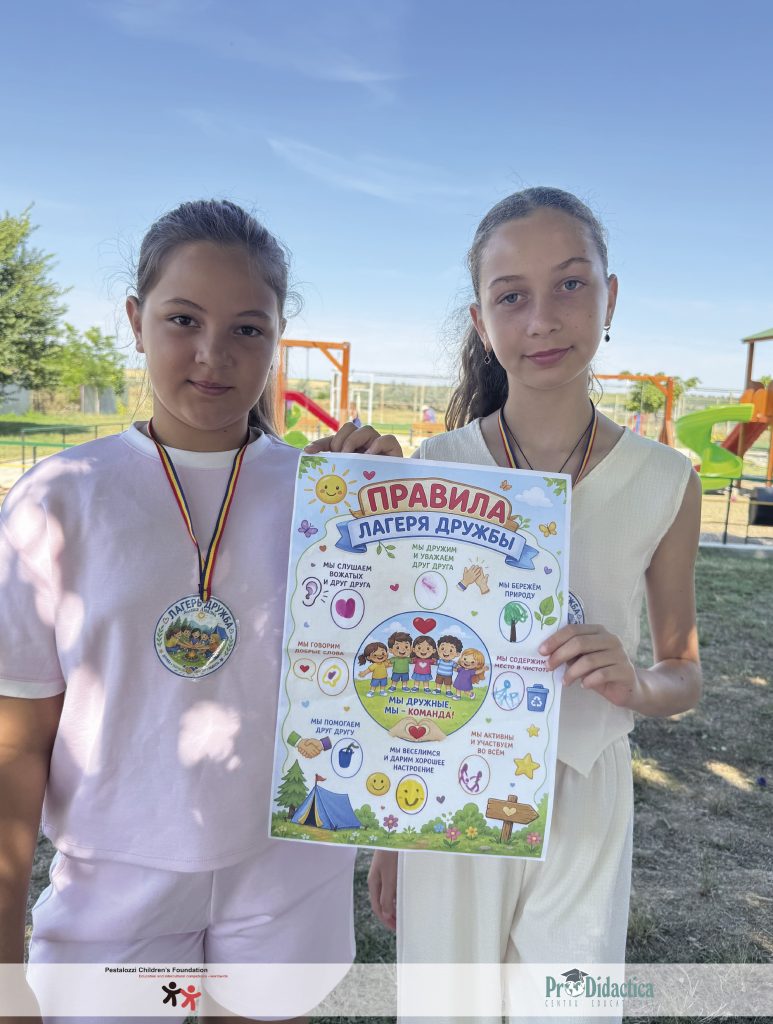
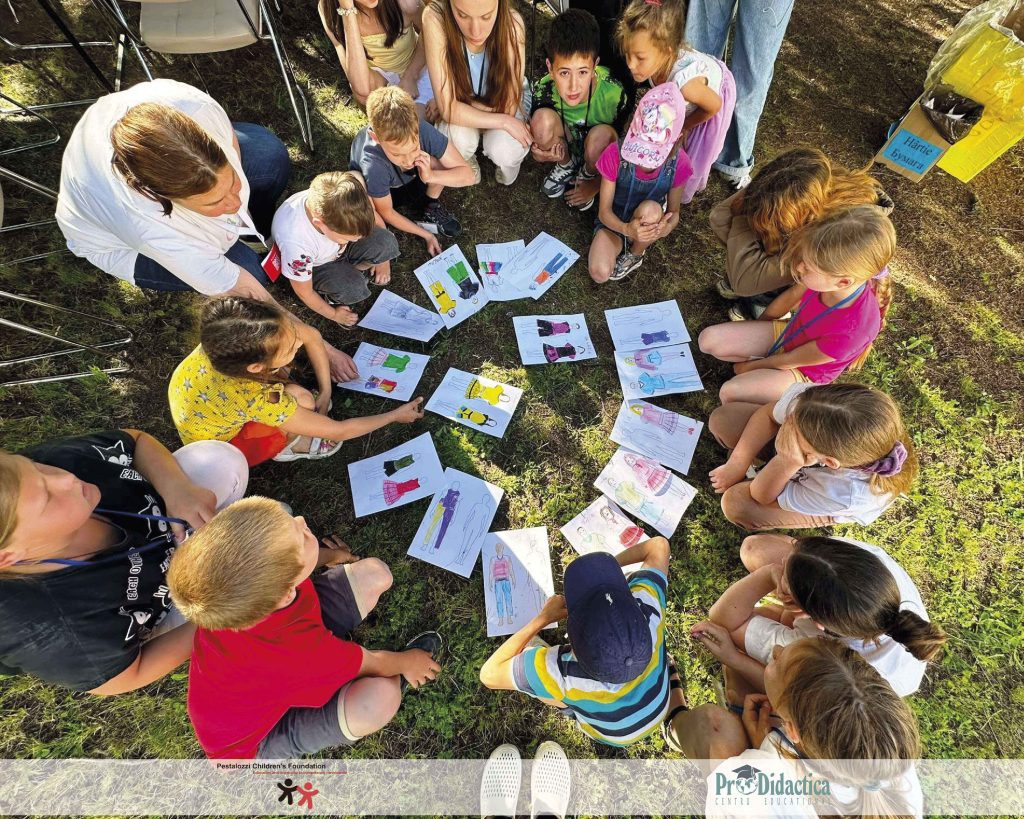
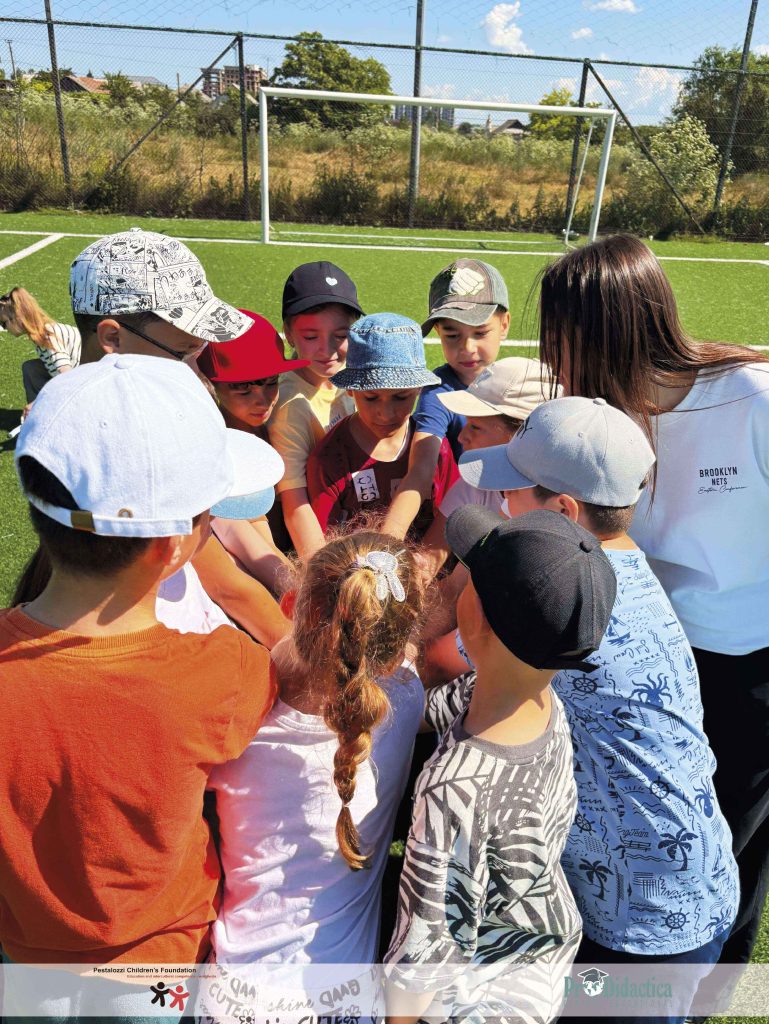
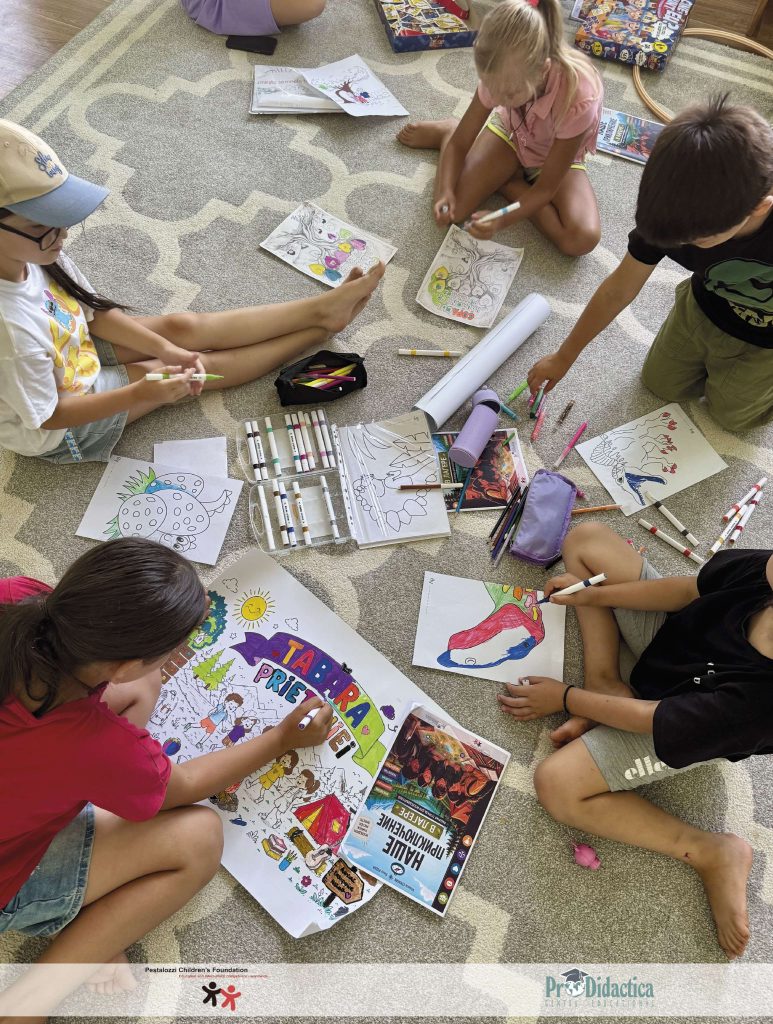
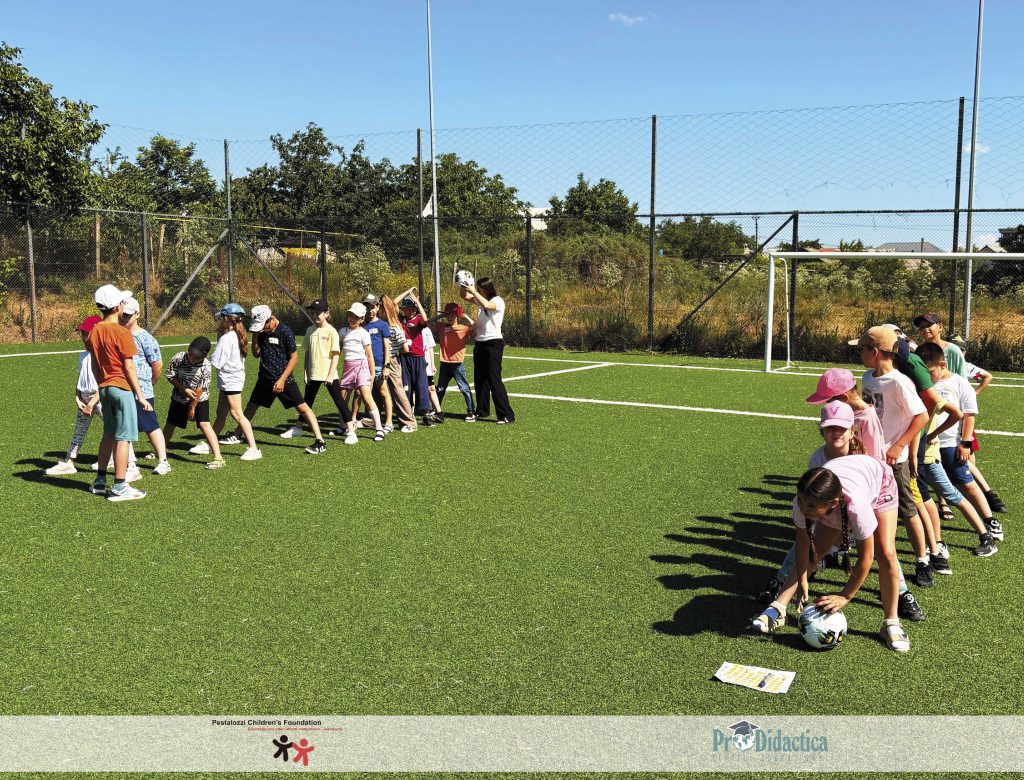
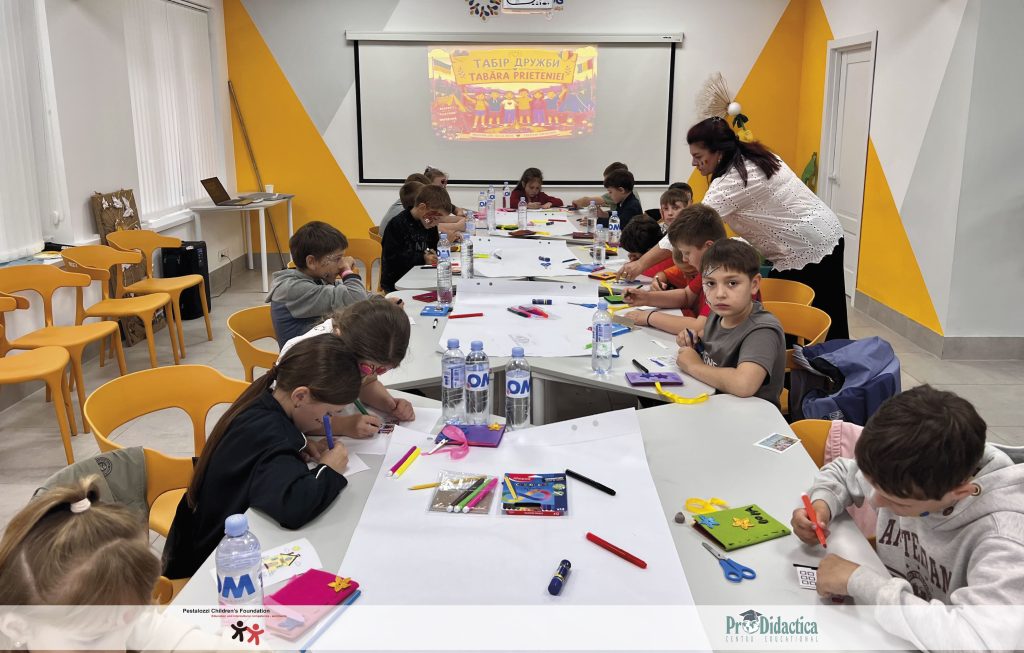
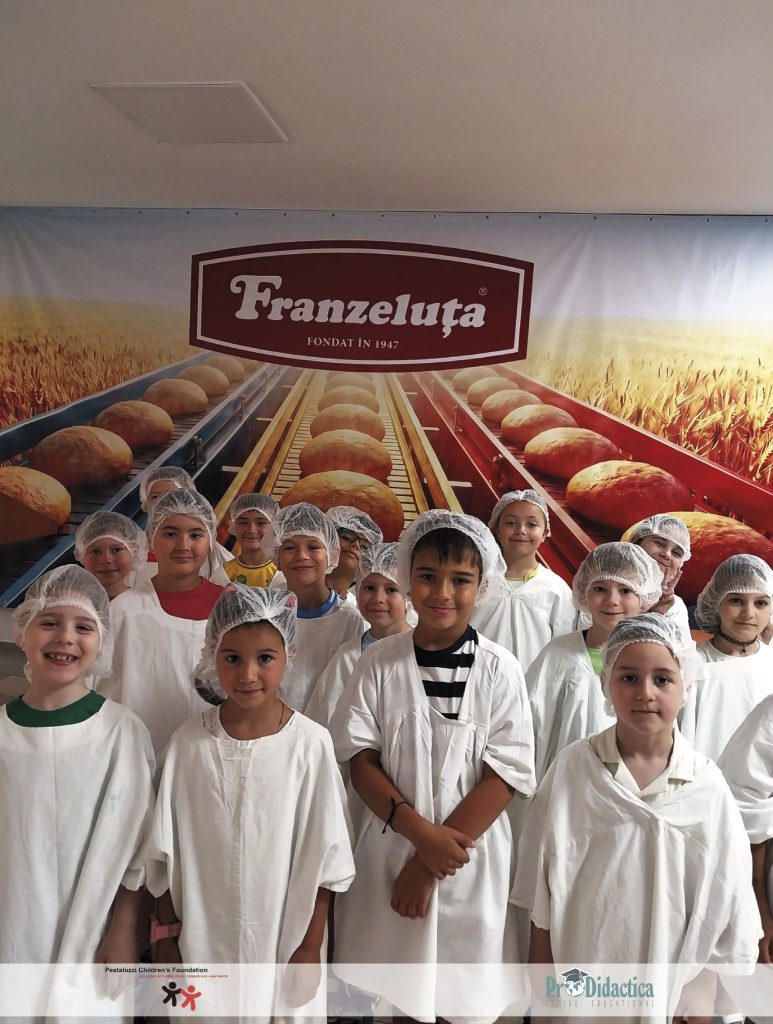
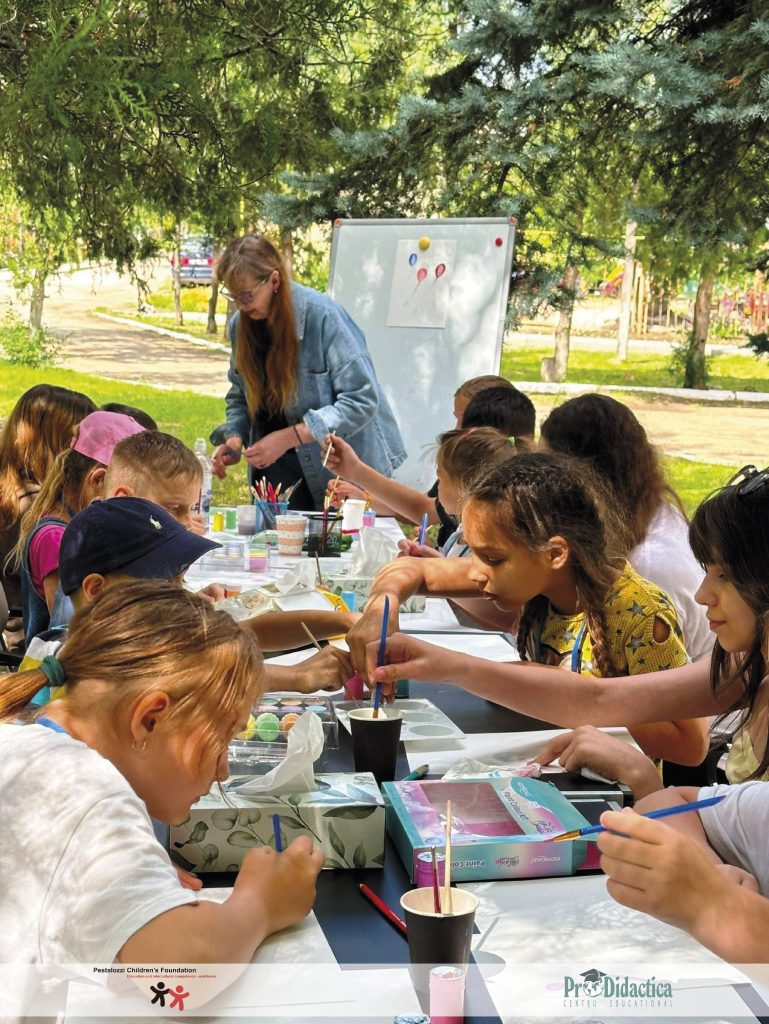
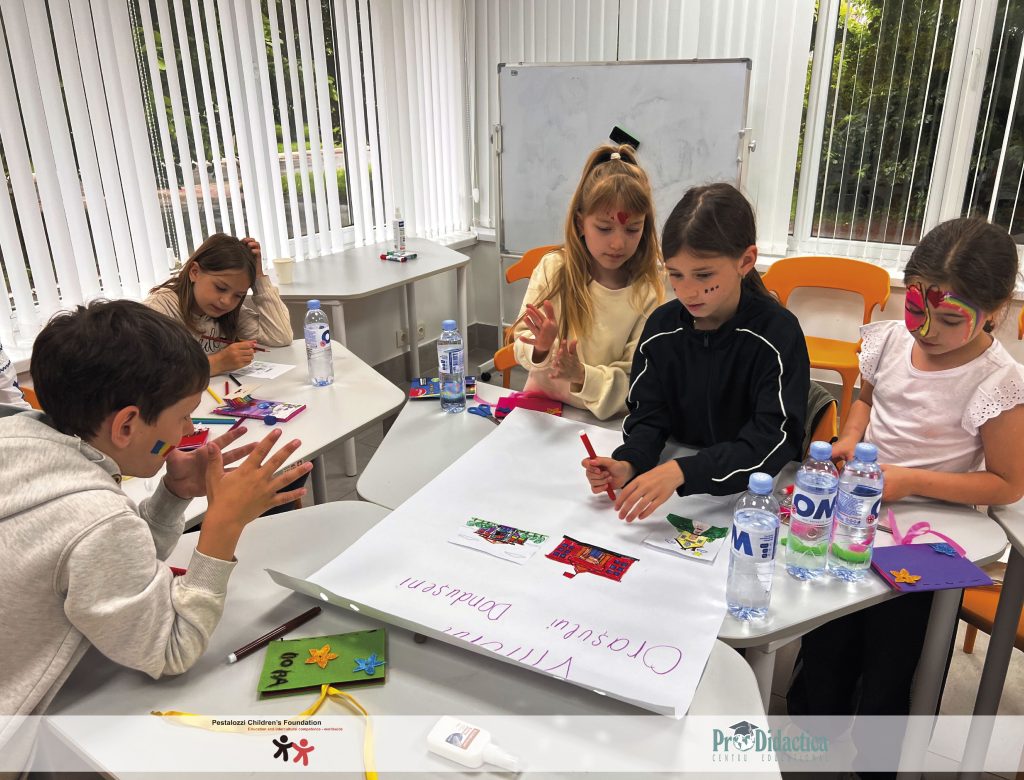
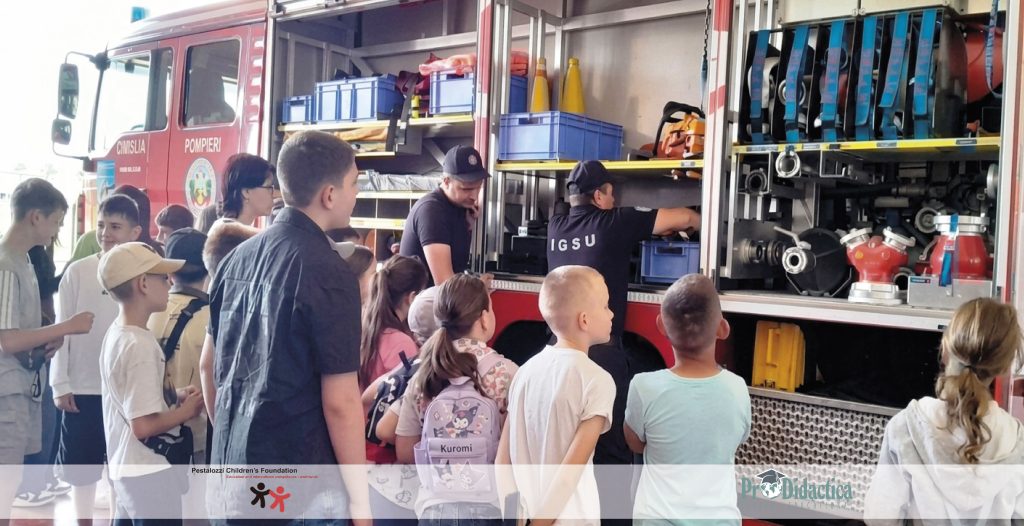
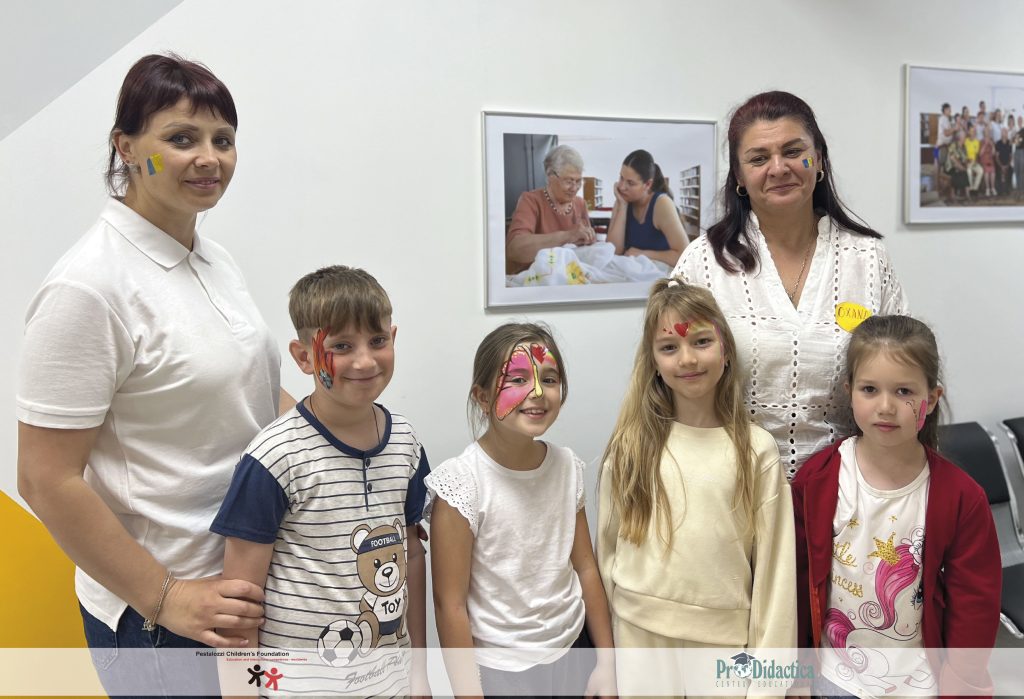
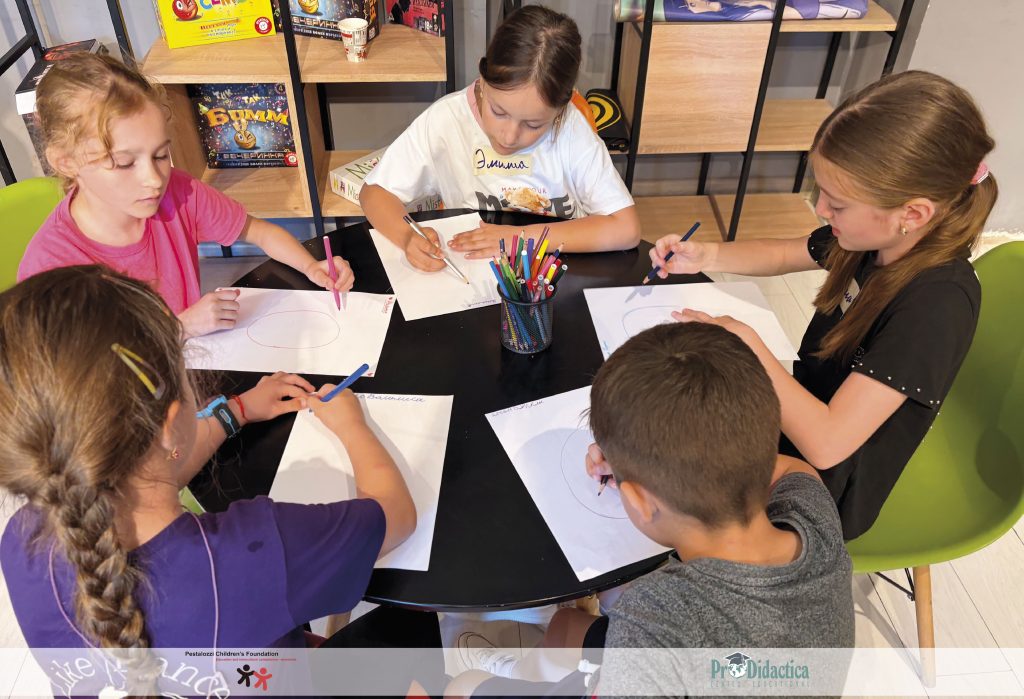
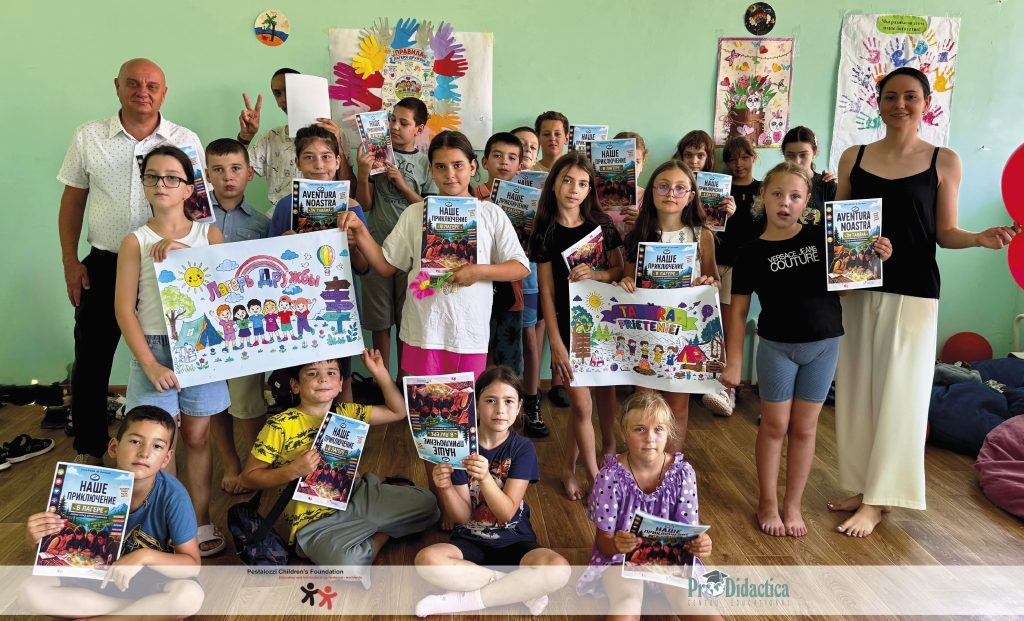
Familiarizing refugee parents with the tools, procedures, and mechanisms that would facilitate their children’s more effective educational and social integration is one of the objectives of the project “Empowering refugee girls and boys from Ukraine through inclusive and empathetic education in the Republic of Moldova.” To this end, in the seven beneficiary localities (Chișinău, Cimișlia, Criuleni, Dondușeni, Comrat, Vulcănești, and Ceadâr-Lunga), information sessions were launched for parents, legal representatives, and caregivers of refugee children, held in partnership with local public authorities, education departments, social assistance and family protection departments, and other relevant institutions. The first of the three planned activities focused on the educational services available and the psychological support that refugees can access. The meetings, attended by 420 people and moderated by local project coordinators, featured speakers from education departments, representatives of institutions offering psychological support, and psychologists from online community education centers (Digital Hub).

During these meetings, the types of educational institutions, the process of enrolling in kindergarten and school (necessary documents, facilities offered to refugees, etc.), the benefits of including preschool and school-age refugees in the national education system, etc. were discussed. The “psychological support” dimension was addressed by reviewing the services that can be accessed, discussing the importance of emotional support in difficult times, and the role of parents in ensuring the well-being of their children.

Also, for documentation purposes, the project developed a “Your Support Brochure in Moldova” containing useful information for everyday life about: the rights of refugees in the Republic of Moldova; the steps to be taken to benefit from temporary protection; free services and support available; institutions and organizations (addresses, contact details, responsible persons, etc.) that they can turn to in case of need. The brochure, published in Ukrainian and Russian, will be distributed to Ukrainian refugees in the pilot localities of the project and beyond.

The project “Empowering refugee girls and boys from Ukraine through inclusive and empathetic education in the Republic of Moldova” is implemented by the PRO DIDACTICA Educational Center, with financial support from the “Pestalozzi” Children’s Foundation.